

You’ll notice something a little odd if you walk through practically any American suburban dealership lot right now. The well-lit, polished, and shiny EVs are still parked up front, but it appears that people are walking past them in favor of the hybrids in the second row. Pretending otherwise has been abandoned by salespeople.
Reporters were informed by one dealer outside of St. Louis that his Kia hybrid sales increased from about 30% in March to 35% in April, and he didn’t seem shocked. He sounded as though he had been waiting for the rest of the nation to catch up.
| Information | Details |
|---|---|
| Topic | Hybrid Boom in the United States |
| Trigger Event | Surge in U.S. gas prices following Middle East conflict (late Feb 2026) |
| U.S. Hybrid Sales Growth | 37% (two months post-conflict) |
| Overall U.S. Car Market Growth | 15% (same period) |
| U.S. EV Sales Growth | Only 11%, lagging the broader market |
| Average U.S. Gas Price (late April) | Topped $4 per gallon, a four-year high |
| UK EV Sales Growth | 79% |
| Germany EV Sales Growth | 39% |
| Pioneer of Hybrid Tech | Toyota, with the 1997 Prius launch |
| Toyota’s U.S. Electrified Sales Growth | 34% (mostly hybrids) |
| Full-Size Pickup Truck Sales Growth | 20% (March–April vs. February) |
| Data Sources | Motor Intelligence, Catalyst IQ, CarGurus |
| Federal EV Tax Credit Status | Expired autumn 2025 ($7,500) |
That feeling is supported by the numbers. In the two months following the start of the Iranian conflict in late February, hybrid sales in the United States increased by 37%, more than doubling the 15% growth of the overall auto market. While fully electric vehicles saw a slight 11% increase, it’s important to keep in mind that EV sales are still recovering from the decline caused by the $7,500 federal tax credit that expired last fall. There’s a feeling that American consumers chose to hedge rather than jump in response to $4 gas and a volatile news cycle.
It’s an intriguing departure from international events. During the same period, EV sales in the UK increased by 79%. Germany saw an increase of 39%. Squeezed by more stringent emissions regulations and a wider range of reasonably priced electric vehicles, Europeans acted in a manner similar to what climate strategists had long predicted Americans would.
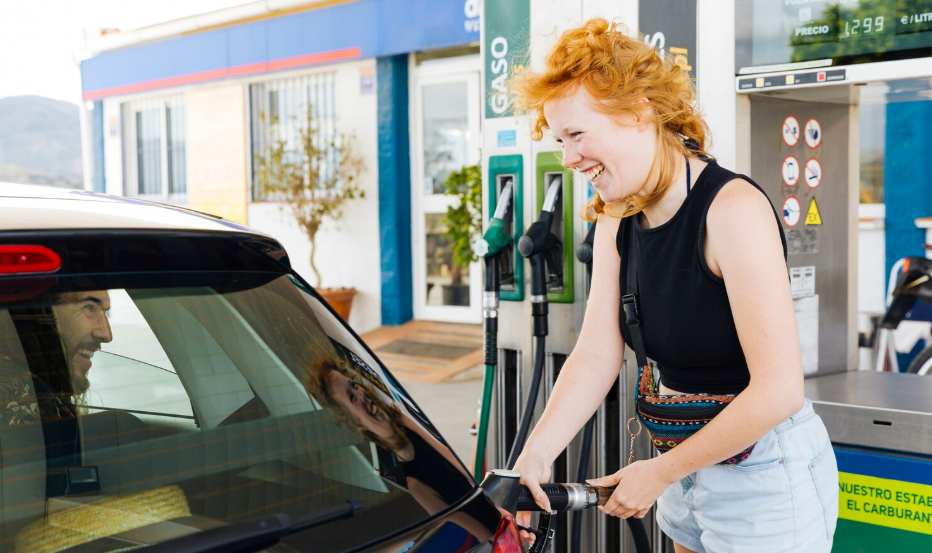
They didn’t. With larger garages, longer commutes, fewer affordable EVs, and a strong cultural attachment to the gas station ritual, it’s difficult not to wonder if the U.S. market is just a different animal.
Hybrids fit in well with that environment. They are less expensive. They don’t necessitate rearranging your evenings around a charging schedule or rewiring your home. They sip instead of gulping when you fill them up the way your father did. According to Kevin Roberts of CarGurus, people were already interested in hybrids prior to the war, and higher gas prices simply encouraged them to visit the dealership. In April, 14% of all vehicle queries on his website were related to hybrid vehicles, up from 12% in the previous month. EV searches increased as well, but only to 5%.
Of all the companies, Toyota now appears to be almost prophetic. When the Prius debuted in the late 1990s, it was met with polite confusion and mild mockery. For years, the company was made fun of for sticking with hybrids while competitors pursued the all-electric future. That perseverance is paying off. Many trims of the Camry and RAV4 are now exclusively hybrid vehicles, and Toyota’s electrified U.S. sales increased 34% over the same two-month period, with hybrids accounting for the majority of the growth. It’s the kind of quiet vindication that doesn’t require a press conference.
Nevertheless, the image is messy. Sales of full-size pickup trucks increased by 20% between February and April, indicating that many Americans are just not reading the same room. According to dealers, it all boils down to incentives; gas-powered trucks frequently have steeper discounts than hybrid or electric vehicles. Whether this hybrid surge represents a true change or merely a stop on the path to something more electric is still up in the air. But for the time being, the lot is humming with engines that still know how to drink a little gasoline, and the middle path is winning.
