

The stretch of road leading to the facility that everyone now refers to as Alligator Alcatraz is one that you forget as soon as you drive it—until you don’t. saw grass on both sides. Heat is rising in slow waves from the asphalt.
The water line was broken by a couple of cypress knees. And then fencing, almost without warning. lights. The sound of generators that don’t belong here rumbling softly. The whole thing feels so out of place—like someone dropped a parking lot into a painting—that it’s difficult to ignore.
| Alligator Alcatraz — Key Information | Details |
|---|---|
| Facility Name | Alligator Alcatraz (Immigration Detention Center) |
| Location | Big Cypress / Everglades region, South Florida |
| Announced | Summer 2025 by Gov. Ron DeSantis & AG James Uthmeier |
| Operated By | State of Florida, in coordination with U.S. Department of Homeland Security |
| Daily Operating Cost | More than $1 million per day |
| Reimbursement Requested | $608 million (not yet received from federal government) |
| Detainees Processed | Roughly 22,000 since opening |
| Current DHS Secretary | Markwayne Mullin (since late March 2026) |
| Key Opposition Groups | Friends of the Everglades, Center for Biological Diversity, Miccosukee Tribe |
| Legal Status | Active litigation in federal district court, Miami |
| Possible Closure | In early-stage state and federal discussions (May 2026) |
In hindsight, the announcement of the detention facility last summer may have been the first red flag. Gov. Ron DeSantis presented the project as both temporary and essential while standing with Attorney General James Uthmeier and federal representatives, including then-Secretary Kristi Noem. Less than a year later, DeSantis is telling reporters that the location was always intended to be a temporary fix. Observing the language change gives the impression that the political climate has changed more quickly than anyone anticipated.
From the start, Friends of the Everglades has been resisting. Along with the Miccosukee Tribe and the Center for Biological Diversity, the nonprofit has filed numerous lawsuits alleging environmental damage, unlawful construction, and a disdain for the fundamental laws that, in theory, safeguard this landscape.
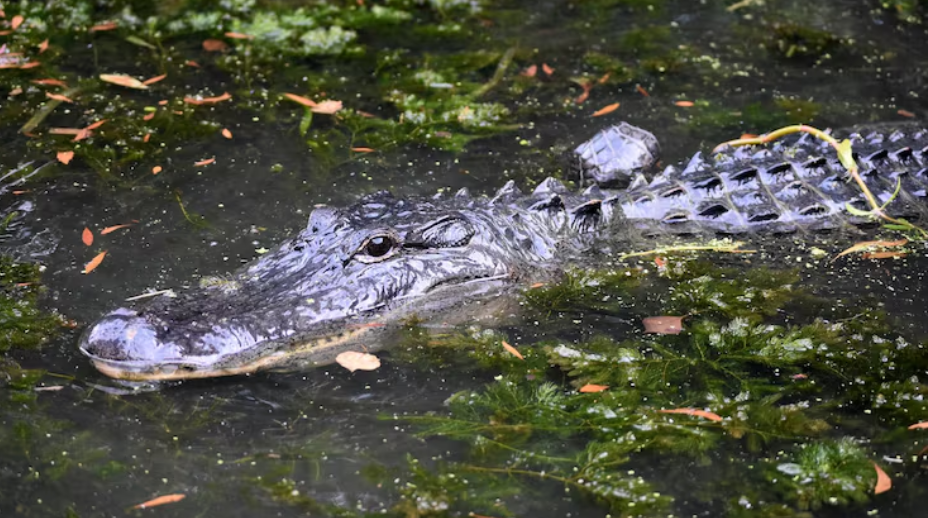
Their public records lawsuit revealed expenses and environmental harm that the state had been reluctant to talk about. Nobody will state unequivocally whether discussions about closure have started because of that pressure. However, it is difficult to overlook the timing.
The amount that keeps coming up is a million dollars every day. Florida has spent more than that on operating the facility, and the $608 million in federal reimbursement it has asked for has not materialized. According to DeSantis, he anticipates receiving the funds. DHS, on the other hand, stated on Thursday that it was not pressuring Florida to close anything while also outlining its own ongoing assessment of detention requirements—a statement that accomplishes a great deal of courteous, administrative work. Discussions regarding the facility’s future appear to have heated up since Markwayne Mullin, the new DHS secretary, took office in late March.
Detainees’ accounts of the camp detail subpar physical conditions and difficulties contacting attorneys. The governor’s framing, which focuses almost exclusively on the approximately 22,000 individuals the facility has processed, hardly ever includes those details. “If we shut the lights out on it tomorrow,” DeSantis stated, “we will be able to say it served its purpose.” It’s a powerful statement. the type that, depending on which side of the fence you are on, reads differently.
The director of Friends of the Everglades, Eve Samples, has been direct: she believes that closure and complete remediation are the only acceptable results. In even harsher terms, Elise Bennett of the Center for Biological Diversity describes harm to people, animals, and plants that, in her opinion, should never have been permitted in the first place. As you watch this play out, you get the impression that the debate over what transpired here and what is restored is just getting started, even if the gates do close.
The lights are still on for the time being. The generators continue to hum. And attorneys are preparing for the next round somewhere in a Miami federal courtroom.
