

A small group of critics, industry voters, and publicists watch a movie that doesn’t really exist yet every awards season. They do this somewhere in Los Angeles, usually in a nice private screening room with comfortable seats and good food. There is no date set for the release. So far, no trailer has gone wide. After those two hours, people will quietly talk about the movie, which will decide whether it gets a serious Oscar campaign or is quietly put on hold until February.
A lot of people outside the business world never see this system. The reason it works is because of that.
It makes sense for movies to be shown in secret before they come out. Before they spend money going after something, studios need to know what they already have. If no one reacts in that room and people leave without looking at the publicist standing near the exit, then no amount of FYC advertising will change the numbers. People will talk about it more if they are interested, and a well-connected critic will pull out her phone before she even gets to the parking lot. This is how word spreads in a way that a press release can’t.
Some people in Hollywood seem to think that these screenings are more important than the box office. And to be honest, they might be right. A movie can do poorly at the box office but still get nominated for an award thanks to the power of critical consensus that is built in rooms like these. It has happened a lot of times. On the other hand, a movie can be a real hit but still have trouble getting through to voters who weren’t moved by it when they saw it alone.
The early screenings are really just a way for studios to buy time. There is time to change the campaign, find the most powerful parts of the movie, and change the message if early audiences react to something unexpected. Focus groups and audience research are also used, but the most useful feedback still comes from the first rooms full of people who know each other in the business and have fond memories.
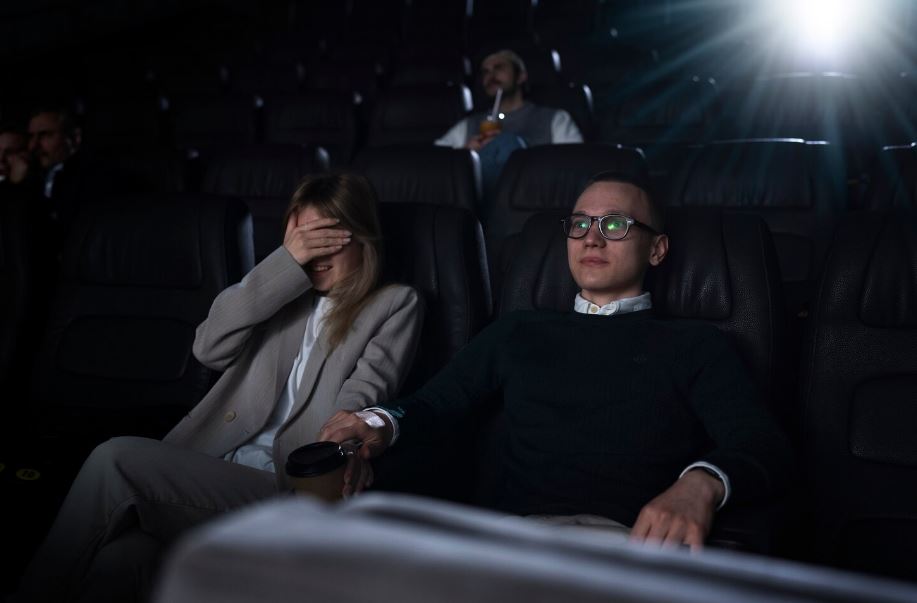
Things have become more difficult in interesting ways since the rise of social media. Recently, Paramount worked with TikTok to send creators to secret screenings where the title wouldn’t be revealed until the lights went down. This shows that studios are trying to use early buzz to reach new audiences. It makes sense to do that. The viral video has become its own type of Oscar money—not the only kind, but not a small one either. Recently, some sleeper hits built their popularity on word of mouth that started in these pre-release settings and then spread to other places.
But it’s important to remember what these screenings can’t do. They can’t save a movie that doesn’t play. If there is one hostile room, it might be because the audience wasn’t understood, but if there are two or three hostile rooms, the publicist can’t talk their way out of the pattern. Some movie theater chains that have mystery screening programs have had a lot of people leave early, which points to a real tension: people go with high expectations, and when reality falls short, the disappointment spreads quickly. The same thing happens when there are awards, but on a smaller scale and with more at stake.
The films predicted to figure prominently in the 2026 Oscar conversation have, in most cases, already made the rounds through these quieter channels. Critics and industry insiders who attended early showings aren’t guessing. They are writing about something they have already done. For most movies, the main discussion has been going on for weeks or months before the public sees the trailer.
It’s hard not to find something almost theatrical about the whole arrangement. It’s like a performance in and of itself, with carefully chosen guests and careful timing for when word can spread. It happens before the main performance. And like most performances, the opening night tells you more about the future than anyone involved would like to admit.
