
Close Menu
  • Home
  • Banking
  • Celebrities
  • Economy
  • FinTech
  • Industry
  • Markets
Facebook X (Twitter)
Trending
  • The ‘Anti-Hustle’ Movement is Costing Corporations Billions, and It Began at the University of Sydney
  • The Great Wealth Transfer , How Gen Z in the UK is Inheriting and Instantly Transforming Family Fortunes
  • The Sudden Evaporation of the Mid-Tier Sitcom , Where Did the Working-Class Family Go?
  • The Architect Who Built a Viral City on TikTok—And the Real-Life Crisis It Uncovered
  • How a Leaked Test Screening Radically Altered the Ending of a Major Studio Franchise
  • How Auckland’s Film Commision Accidentally Created a Haven for A-List Escapists
  • The Terrifying Realities of ‘Deepfake’ Real Estate , Buying Homes That Do Not Exist
  • How a Simple Accounting Error Halved the Budget of the Year’s Most Anticipated Sequel
Friday, August 7
PurposedPurposed
Subscribe
  • Home
  • Banking
  • Celebrities
  • Economy
  • FinTech
  • Industry
  • Markets
PurposedPurposed
Home » How a Leaked Test Screening Radically Altered the Ending of a Major Studio Franchise
Industry

How a Leaked Test Screening Radically Altered the Ending of a Major Studio Franchise

Sam AllcockBy Sam AllcockAugust 7, 2026No Comments4 Mins Read
Facebook Twitter Pinterest LinkedIn Tumblr Email
How a Leaked Test Screening Radically Altered the Ending of a Major Studio Franchise
Share
Facebook Twitter LinkedIn Pinterest Email

A Warner Bros. test screening in San Jose on a November evening in 1986 came dangerously near to disaster. The audience had just witnessed the finale of Little Shop of Horrors, the Off-Broadway musical’s adaptation, which director Frank Oz had spent about $5 million filming. It was a large-scale, effects-heavy scene in which the carnivorous plant Audrey II escapes, multiplies, and then devours New York City, Washington, DC, the Statue of Liberty, and finally the entire planet. Every significant human character had perished. The plant had prevailed. On Apocalypse, the screen turned black.

The numbers on the score cards apparently caused the studio executives in attendance to become silent. It wasn’t simply the ending that the test audience didn’t enjoy. They were furious. A number of viewers had shed tears, but not in the planned cathartic manner; rather, they were genuinely distressed to see characters they had cared about for ninety minutes slaughtered off without mercy or conclusion. The atmosphere in the screening room thereafter, according to one producer, was more akin to a post-mortem than a preview. To make sure the results weren’t an anomaly, a second exam was scheduled. They weren’t. The cataclysmic conclusion was abandoned. The version of Oz that made it to theaters and became the cherished movie that people have been watching on home video ever since was reshot in a way that kept both Rick Moranis and Ellen Greene’s characters intact, gave them a happy ending, and included a house with a garden, including one tiny, menacing plant in the final frame.

One of the things that makes Little Shop of Horrors such an interesting case study in how test screenings alter big studio releases is the tale of what was lost. Oz had stayed true to the darkly humorous original conclusion of the stage musical; the play ends with the plant triumphing and humanity losing, all presented as a warning B-movie fable. According to Oz, the original film’s ending was smart, costly, technically ambitious, and precisely what the material demanded. The audience presumably understood the artistic reasoning, but they disagreed with the emotional one. They had been so close to the characters that it felt more like betrayal than theatrical irony to watch them die. Test screenings are most effective when they fill the gap between what a movie is trying to express and what an audience is prepared to accept.

It’s important to remember that the original Oz conclusion wasn’t completely lost. In 2012, the director’s cut home video edition was published along with a partial reconstruction of the footage that had survived on work prints and production materials. The restored original is darker, stranger, and more formally fascinating, while the theatrical version is warmer and more rewarding in the moment, according to critics and movie buffs who have seen both versions. The intriguing thing is that, given the nature of the movie, neither version is blatantly incorrect. Which ending was better artistically was not determined by the test screening. It established what final audiences in 1986 were prepared to leave a theater after seeing.

The next year’s film Fatal Attraction encountered the same issue from the opposite angle. Glenn Close’s character committed suicide while listening to an opera in the film’s original ending, which linked Michael Douglas in the tragedy and left the spectator with moral complexity rather than catharsis. After identifying with the Douglas family for two hours, test audiences desired something more actively fulfilling. They desired the threat to be eliminated and dealt with. The studio paid attention. The altercation in the bathtub was captured on camera. The gun that finishes the movie is fired by Anne Archer’s character. A movie with artistic pretenses became a true box office success because to this pulpy, suspenseful, and powerful scene. Depending on what you believe the movie was genuinely attempting to be, you can decide whether or not that trade-off was worthwhile.
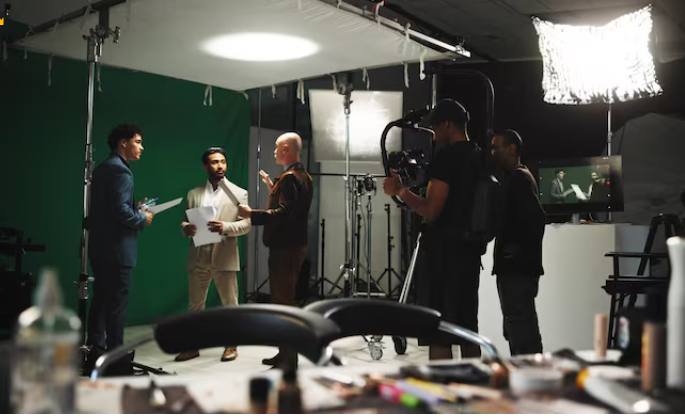
How a Leaked Test Screening Radically Altered the Ending of a Major Studio Franchise

The window between a test audience’s experience and a social media post has shrunk to hours or less in the streaming era, making the test screening procedure even more difficult. In response, studios have restricted screenings to invited industry insiders rather than recruited members of the general public, confiscated phones during preview screenings, and required attendees to sign increasingly stringent NDAs. The issue is not entirely resolved by any of this. Video continues to leak. Views continue to spread. The case of Zack Snyder’s Justice League, where Warner Bros. eventually released a four-hour director’s cut due to years of persistent fan pressure and the existence of a documented alternate version, demonstrated what happens when the difference between the tested version and the original vision becomes a public discussion rather than an internal one.

Frank Oz Little Shop of Horrors Major Studio Franchise Test screening-driven ending changes
Share. Facebook Twitter Pinterest LinkedIn Tumblr Email
Sam Allcock
  • Website

Sam Allcock is a journalist, digital entrepreneur, and media strategist with a passion for purpose-driven storytelling. With over a decade of experience in the media landscape, Sam has built a reputation for creating impactful narratives that bridge the gap between innovation, integrity, and social responsibility. As the founder of multiple digital ventures, Sam understands the power of strategic communication in shaping public discourse. His work explores how technology, entrepreneurship, and ethical leadership intersect to create meaningful change. On Purposed.org.uk, Sam contributes thought-provoking articles that challenge conventional thinking and advocate for a more conscious approach to business and media. Beyond his writing, Sam actively supports initiatives that promote transparency, trust, and long-term value in both corporate and community settings. His insights are grounded in a belief that purpose is not just a trend, but a transformative force in today's world.

Related Posts

How Auckland’s Film Commision Accidentally Created a Haven for A-List Escapists

August 6, 2026

How a Simple Accounting Error Halved the Budget of the Year’s Most Anticipated Sequel

August 6, 2026

Why the Best Movies of the Year Are All Premiering at a Quiet Festival in Telluride

August 6, 2026
Leave A Reply Cancel Reply

Latest Posts

The ‘Anti-Hustle’ Movement is Costing Corporations Billions, and It Began at the University of Sydney

August 7, 2026

The Great Wealth Transfer , How Gen Z in the UK is Inheriting and Instantly Transforming Family Fortunes

August 7, 2026

The Sudden Evaporation of the Mid-Tier Sitcom , Where Did the Working-Class Family Go?

August 7, 2026

The Architect Who Built a Viral City on TikTok—And the Real-Life Crisis It Uncovered

August 7, 2026
Don't Miss
Markets

The ‘Anti-Hustle’ Movement is Costing Corporations Billions, and It Began at the University of Sydney

By Sam AllcockAugust 7, 2026

Zaid Khan, a 24-year-old software engineer, uploaded a seventeen-second TikTok video in July 2022. He…

The Great Wealth Transfer , How Gen Z in the UK is Inheriting and Instantly Transforming Family Fortunes

August 7, 2026

The Sudden Evaporation of the Mid-Tier Sitcom , Where Did the Working-Class Family Go?

August 7, 2026

The Architect Who Built a Viral City on TikTok—And the Real-Life Crisis It Uncovered

August 7, 2026
About
About

Stay informed with Purposed – your source for reliable news and expert insights. Explore our site for the latest stories and updates.

Email: editor@purposed.org.uk
Email: advertise@purposed.org.uk

Our Picks

How Ford Accidentally Made the Best Argument for Vocational Education This Year

May 11, 2026

Elliot Page Height and the Surprising Way His Stature Has Shaped a Decade of Iconic Roles

July 2, 2026

The Shocking Truth Behind the World’s Most Popular ASMR Channel

June 30, 2026
Most Popular

The ‘Anti-Hustle’ Movement is Costing Corporations Billions, and It Began at the University of Sydney

August 7, 2026

The Great Wealth Transfer , How Gen Z in the UK is Inheriting and Instantly Transforming Family Fortunes

August 7, 2026

The Sudden Evaporation of the Mid-Tier Sitcom , Where Did the Working-Class Family Go?

August 7, 2026
© 2026 purposed.org.uk
  • About Us
  • Contact Us
  • Meet the Purposed Tean
  • Privacy Policy
  • Terms and Conditions

Type above and press Enter to search. Press Esc to cancel.