

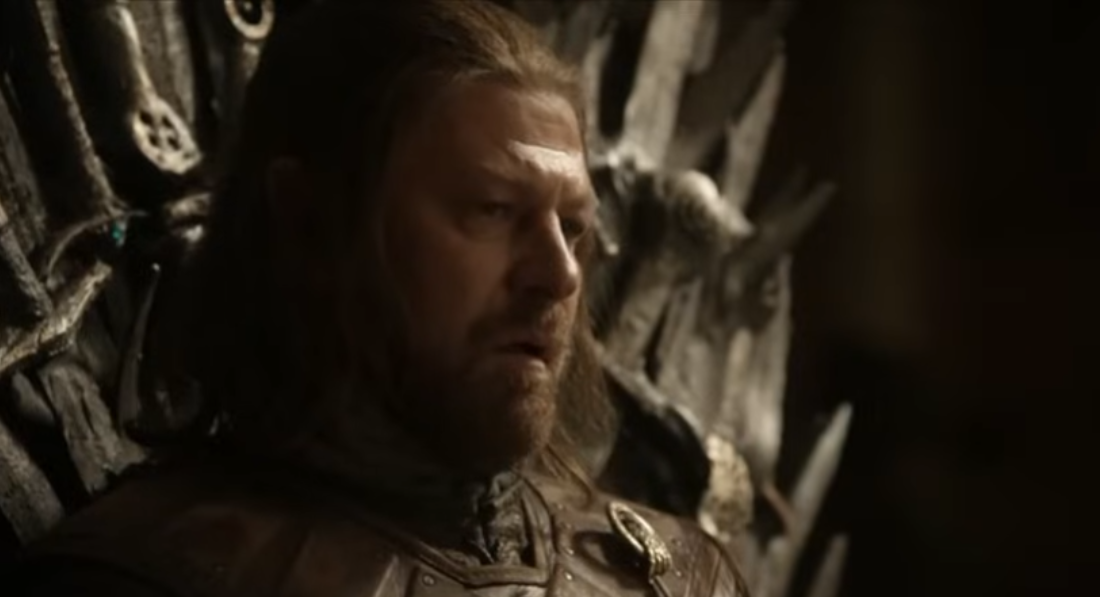
There is something quietly devastating about Robb Stark. Not in the dramatic, sword-wielding sense, but rather in the way his narrative plays out, like witnessing someone meticulously construct something sturdy only to have it crumble due to a single error in judgment. The world demanded everything of him when he was seventeen. By most measures, he delivered. After the Red Wedding, everything became irrelevant.
Robb was born at Riverrun and raised at Winterfell, the eldest son of Eddard Stark, Lord of the North, and Lady Catelyn of House Tully. His childhood, as far as we can piece it together, looked almost ordinary for a lord’s heir. He sparred with Jon Snow in the yard, laughed at Bran’s poor archery, adopted a direwolf he named Grey Wind. Early on, there is a scene where Robb tells Bran to relax his bow arm and then bursts into laughter when it somehow makes the shot worse. This scene feels less like a plot point and more like an actual exchange between brothers. Small, human, forgettable. However, nothing about the Stark kids ends up being unmemorable.
Robb did not spiral after Eddard Stark was put to death in King’s Landing. He took action. In a brief campaign, he raised his banners, led his father’s vassals south, and captured Jaime Lannister himself. This military feat astounded even seasoned commanders. He turned down Jaime’s offer of single combat with a kind of cold clarity that suggested real strategic thinking, not just pride. It’s difficult to watch the scene without feeling the weight of what it meant to him when his lords crowned him King in the North. He was given a crown over his father’s grave when he was a teenager.
Robb’s combination of instincts made him genuinely fascinating, and possibly dangerous. He was able to read a battlefield. He knew that the kind of strategy that wins wars was to strike Jaime’s flank at Whispering Wood and send a decoy force toward Tywin. Despite the fact that the agreement he made with Walder Frey would ultimately cost him everything, he had enough diplomatic understanding to negotiate crossing at the Twins. He wasn’t gullible. However, he was still a young man, and young men in charge of armies often think that winning battles equates to winning.
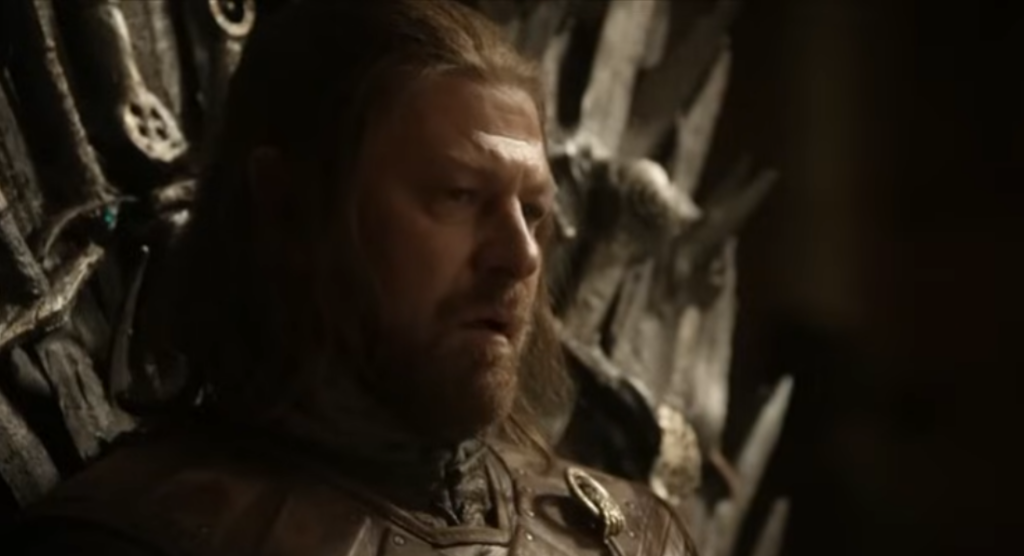
Sitting with this moment is worthwhile. Following Whispering Wood, Robb surveys the triumph and publicly bemoans the loss of two thousand lives caused by the diversionary force he dispatched. He gave a speech about victory and then grieved what it required. That detail says something. Not every commander notices the dead when the battle is won.
One of the more intricate aspects of his tale is his relationship with Theon Greyjoy. Robb counted him as his closest friend outside family, which makes Theon’s eventual betrayal land differently. It was more than a military defeat. It was personal in a way that generals rarely allow themselves to be affected by. Beneath all the tactics, Robb was a person who trusted people. That isn’t exactly a virtue or a flaw. It is just a fact about him that the story eventually turned against.
Eddard Stark’s eldest son was never defeated in combat. Even after the Red Wedding, that is still the case. Perhaps the most agonizing aspect was not that he was defeated, but rather that he wasn’t. His adversaries invited him to dinner since they were unable to defeat him militarily. If you allow yourself to think about it, there’s something almost ridiculous about that.
Robb Stark had fulfilled all of his commitments on the battlefield when he joined the Twins. He departed as a legend—a more subdued term in the North for something that is irretrievable.
