

Between the slow grind of America’s addiction crisis and the emergence of weight-loss culture, an unexpected tale has been developing inside medical offices. Patients came in for diabetes treatment or to lose weight, and when they left, they described something strange. Dinner wine no longer tasted like a treat. After lunch, the cigarette lost its appeal. Some were only able to say that the desire had subsided.
In the field of addiction research, that silence is now the loudest signal. Epidemiologist Ziyad Al-Aly of WashU Medicine began to wonder if anecdotes were turning into evidence after he began to hear the same casual remarks from enough patients. In the end, his team collected data on over 600,000 veterans receiving treatment for type 2 diabetes; the figures, which were published in The BMJ, were difficult to ignore. GLP-1 medication users had a 14–20% lower risk of developing a new substance use disorder, and those who were already struggling saw a greater decline in overdoses, hospital stays, and suicide attempts.
| Topic Snapshot: GLP-1 Drugs & Addiction Research | Details |
|---|---|
| Drug Class | GLP-1 (glucagon-like peptide-1) receptor agonists |
| Common Brand Names | Ozempic, Wegovy, Mounjaro |
| Original FDA Approval | Type 2 diabetes and obesity |
| Off-Label Use | Alcohol, nicotine, opioid, and stimulant use disorders |
| Featured Expert | Dr. Anna Lembke, Stanford Medicine, author of Dopamine Nation |
| Key Study | 600,000+ U.S. veterans tracked over three years |
| Reported Reduction in SUD Risk | 14–20% across substances |
| Mechanism | Modulates dopamine signaling in the mesolimbic reward system |
| Lead Researcher | Dr. Ziyad Al-Aly, VA St. Louis Health Care System |
| Publication | The BMJ, March 2026 |
| Status | Promising but not yet FDA-approved for addiction treatment |
The field may have been waiting a long time for something like this. Despite decades of work, addiction treatment has stubbornly remained substance-specific. This is a drug for alcohol. There’s a nicotine patch. Methadone, buprenorphine, and naltrexone are all confined to a specific lane. Some researchers are still wary because the idea that a single drug could reduce cravings for alcohol, opioids, cocaine, cannabis, and nicotine sounds almost too neat.
Dopamine Nation was written by Stanford psychiatrist Anna Lembke, who has spent years considering reward, compulsion, and the contemporary dopamine economy. Based on clinical research, she believes that GLP-1s appear to affect the mesolimbic system, which is the same reward system that is abused in addiction. According to this account, dopamine is involved in more than just pleasure. It has to do with pursuit. Additionally, these drugs somehow make the pursuit less intense.
As this develops, it seems that medicine has discovered something more significant than weight loss. This peculiar drug, which was first created to induce insulin from a fatigued pancreas, is changing discussions about appetite, craving, and even compulsion in general. The pharmaceutical industry rarely gets a break like this.
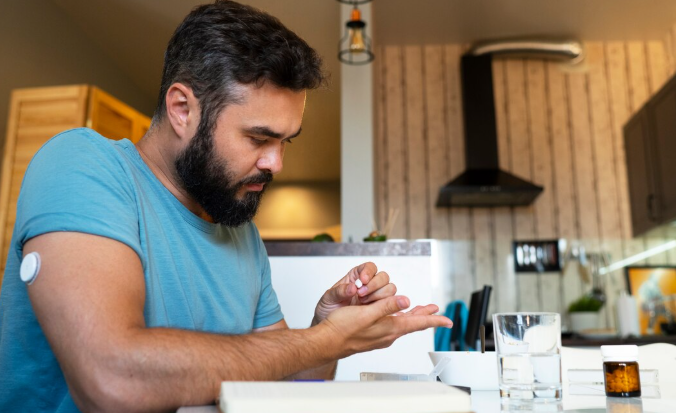
It remains to be seen if that translates into actual treatment. Off-label prescribing is already occurring, according to Lorenzo Leggio of the National Institute on Drug Abuse, but the evidence is still insufficient to replace authorized treatments. The majority of randomized trials are still quite small. Although suggestive, the majority of cohort studies are unable to establish causation.
However, the cultural undertow cannot be disregarded. Ozempic has come to be used as a shorthand for a specific type of contemporary self-correction, the recalibration of desire with chemical assistance. The implications go beyond addiction to include questions about what hunger is and how much of it resides in the gut versus the brain, if the early findings hold up—which is a big if. Caveats are also being noted by researchers. As a reminder that miracle framings typically age poorly, Nature recently reported possible risks associated with long-term GLP-1 use.
For the time being, the narrative occupies that awkward middle ground where science frequently resides—promising but unfinished, hopeful but unproven. Patients continue to report the same silent issue. The desire subsides. The question that will need to be answered in the coming years is whether that lift turns into a treatment or just an interesting side effect.
