
Close Menu
  • Home
  • Banking
  • Celebrities
  • Economy
  • FinTech
  • Industry
  • Markets
Facebook X (Twitter)
Trending
  • The Disturbing Rise of ‘Grief Tech’, Chatting With the Digital Ghosts of the Deceased
  • The Man Who Memorized the Internet , A Strange Tale of Digital Hoarding and Savantism
  • Why Theaters Are Desperately Pivoting to Live Sports to Survive the Streaming Apocalypse
  • Why a 20-Year-Old Obscure SEO Patent Just Upended the Entire Digital Publishing Industry
  • London’s Financial Elite Face a Reckoning as Carried Interest Loopholes Slam Shut
  • Why A-List Directors Are Fleeing Traditional Studios for Unregulated Tech Money
  • What the Collapse of a Micro-Lender in Leeds Means for the Future of Global Credit
  • The Controversy Surrounding the Digitally De-Aged Leading Man , How Young is Too Young?
Monday, August 17
PurposedPurposed
Subscribe
  • Home
  • Banking
  • Celebrities
  • Economy
  • FinTech
  • Industry
  • Markets
PurposedPurposed
Home » The Ozempic Effect – How GLP-1 Drugs Are Quietly Rewiring the Science of Addiction
Industry

The Ozempic Effect – How GLP-1 Drugs Are Quietly Rewiring the Science of Addiction

Sam AllcockBy Sam AllcockApril 30, 2026No Comments4 Mins Read
Facebook Twitter Pinterest LinkedIn Tumblr Email
The Ozempic Effect: How GLP-1 Drugs Are Redefining the Science of Addiction and Reward.
Share
Facebook Twitter LinkedIn Pinterest Email

Between the slow grind of America’s addiction crisis and the emergence of weight-loss culture, an unexpected tale has been developing inside medical offices. Patients came in for diabetes treatment or to lose weight, and when they left, they described something strange. Dinner wine no longer tasted like a treat. After lunch, the cigarette lost its appeal. Some were only able to say that the desire had subsided.

In the field of addiction research, that silence is now the loudest signal. Epidemiologist Ziyad Al-Aly of WashU Medicine began to wonder if anecdotes were turning into evidence after he began to hear the same casual remarks from enough patients. In the end, his team collected data on over 600,000 veterans receiving treatment for type 2 diabetes; the figures, which were published in The BMJ, were difficult to ignore. GLP-1 medication users had a 14–20% lower risk of developing a new substance use disorder, and those who were already struggling saw a greater decline in overdoses, hospital stays, and suicide attempts.

Topic Snapshot: GLP-1 Drugs & Addiction ResearchDetails
Drug ClassGLP-1 (glucagon-like peptide-1) receptor agonists
Common Brand NamesOzempic, Wegovy, Mounjaro
Original FDA ApprovalType 2 diabetes and obesity
Off-Label UseAlcohol, nicotine, opioid, and stimulant use disorders
Featured ExpertDr. Anna Lembke, Stanford Medicine, author of Dopamine Nation
Key Study600,000+ U.S. veterans tracked over three years
Reported Reduction in SUD Risk14–20% across substances
MechanismModulates dopamine signaling in the mesolimbic reward system
Lead ResearcherDr. Ziyad Al-Aly, VA St. Louis Health Care System
PublicationThe BMJ, March 2026
StatusPromising but not yet FDA-approved for addiction treatment

The field may have been waiting a long time for something like this. Despite decades of work, addiction treatment has stubbornly remained substance-specific. This is a drug for alcohol. There’s a nicotine patch. Methadone, buprenorphine, and naltrexone are all confined to a specific lane. Some researchers are still wary because the idea that a single drug could reduce cravings for alcohol, opioids, cocaine, cannabis, and nicotine sounds almost too neat.

Dopamine Nation was written by Stanford psychiatrist Anna Lembke, who has spent years considering reward, compulsion, and the contemporary dopamine economy. Based on clinical research, she believes that GLP-1s appear to affect the mesolimbic system, which is the same reward system that is abused in addiction. According to this account, dopamine is involved in more than just pleasure. It has to do with pursuit. Additionally, these drugs somehow make the pursuit less intense.

As this develops, it seems that medicine has discovered something more significant than weight loss. This peculiar drug, which was first created to induce insulin from a fatigued pancreas, is changing discussions about appetite, craving, and even compulsion in general. The pharmaceutical industry rarely gets a break like this.
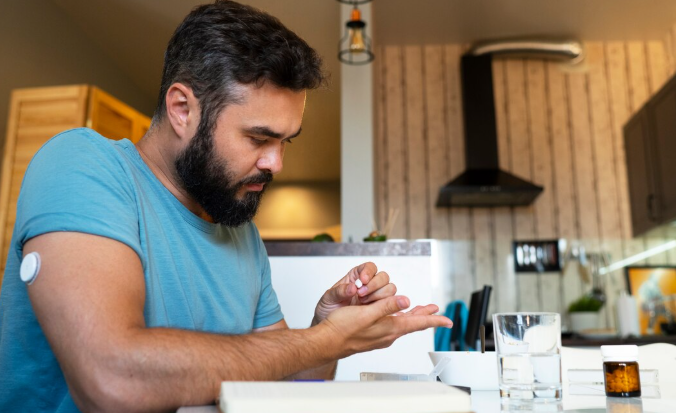
The Ozempic Effect: How GLP-1 Drugs Are Redefining the Science of Addiction and Reward.

It remains to be seen if that translates into actual treatment. Off-label prescribing is already occurring, according to Lorenzo Leggio of the National Institute on Drug Abuse, but the evidence is still insufficient to replace authorized treatments. The majority of randomized trials are still quite small. Although suggestive, the majority of cohort studies are unable to establish causation.

However, the cultural undertow cannot be disregarded. Ozempic has come to be used as a shorthand for a specific type of contemporary self-correction, the recalibration of desire with chemical assistance. The implications go beyond addiction to include questions about what hunger is and how much of it resides in the gut versus the brain, if the early findings hold up—which is a big if. Caveats are also being noted by researchers. As a reminder that miracle framings typically age poorly, Nature recently reported possible risks associated with long-term GLP-1 use.

For the time being, the narrative occupies that awkward middle ground where science frequently resides—promising but unfinished, hopeful but unproven. Patients continue to report the same silent issue. The desire subsides. The question that will need to be answered in the coming years is whether that lift turns into a treatment or just an interesting side effect.

GLP-1 Drugs Are Redefining the Science
Share. Facebook Twitter Pinterest LinkedIn Tumblr Email
Sam Allcock
  • Website

Sam Allcock is a journalist, digital entrepreneur, and media strategist with a passion for purpose-driven storytelling. With over a decade of experience in the media landscape, Sam has built a reputation for creating impactful narratives that bridge the gap between innovation, integrity, and social responsibility. As the founder of multiple digital ventures, Sam understands the power of strategic communication in shaping public discourse. His work explores how technology, entrepreneurship, and ethical leadership intersect to create meaningful change. On Purposed.org.uk, Sam contributes thought-provoking articles that challenge conventional thinking and advocate for a more conscious approach to business and media. Beyond his writing, Sam actively supports initiatives that promote transparency, trust, and long-term value in both corporate and community settings. His insights are grounded in a belief that purpose is not just a trend, but a transformative force in today's world.

Related Posts

The Man Who Memorized the Internet , A Strange Tale of Digital Hoarding and Savantism

August 10, 2026

Why A-List Directors Are Fleeing Traditional Studios for Unregulated Tech Money

August 10, 2026

The Controversy Surrounding the Digitally De-Aged Leading Man , How Young is Too Young?

August 10, 2026
Leave A Reply Cancel Reply

Latest Posts

The Disturbing Rise of ‘Grief Tech’, Chatting With the Digital Ghosts of the Deceased

August 10, 2026

The Man Who Memorized the Internet , A Strange Tale of Digital Hoarding and Savantism

August 10, 2026

Why Theaters Are Desperately Pivoting to Live Sports to Survive the Streaming Apocalypse

August 10, 2026

Why a 20-Year-Old Obscure SEO Patent Just Upended the Entire Digital Publishing Industry

August 10, 2026
Don't Miss
FinTech

The Disturbing Rise of ‘Grief Tech’, Chatting With the Digital Ghosts of the Deceased

By Sam AllcockAugust 10, 2026

A South Korean mom watched her five-year-old daughter materialize in front of her while using…

The Man Who Memorized the Internet , A Strange Tale of Digital Hoarding and Savantism

August 10, 2026

Why Theaters Are Desperately Pivoting to Live Sports to Survive the Streaming Apocalypse

August 10, 2026

Why a 20-Year-Old Obscure SEO Patent Just Upended the Entire Digital Publishing Industry

August 10, 2026
About
About

Stay informed with Purposed – your source for reliable news and expert insights. Explore our site for the latest stories and updates.

Email: editor@purposed.org.uk
Email: advertise@purposed.org.uk

Our Picks

The Death of the ‘It Girl’, How the Internet Fragmented Celebrity Culture Forever

August 3, 2026

No More Couch Courses — Drive, Learn, Evolve in the UAE

July 29, 2025

Harry Kane Height: What 6 Feet 2 Inches Actually Means on the Football Pitch

July 15, 2026
Most Popular

The Disturbing Rise of ‘Grief Tech’, Chatting With the Digital Ghosts of the Deceased

August 10, 2026

The Man Who Memorized the Internet , A Strange Tale of Digital Hoarding and Savantism

August 10, 2026

Why Theaters Are Desperately Pivoting to Live Sports to Survive the Streaming Apocalypse

August 10, 2026
© 2026 purposed.org.uk
  • About Us
  • Contact Us
  • Meet the Purposed Tean
  • Privacy Policy
  • Terms and Conditions

Type above and press Enter to search. Press Esc to cancel.