

The British period drama held a rather steady cultural position for a considerable amount of time. It was what your parents watched on Sunday nights: meticulously planned costumes, flawless location filming on a National Trust property, and conversation that viewed the past as a source of social education and moral clarity. Downton Abbey. Cranford. Dickens, Hardy, and Austen adaptations. Gorgeous, dependable, and increasingly viewed by the same older audience that had always watched it while younger people turned their attention to other things.
The genre has been changing over the past few years, and this change is more intentional than it may appear. In order to transform the period drama into something that doesn’t quite fit into the Sunday evening slot, writers and showrunners working with period settings have begun to reach for tools from horror and science fiction, such as alien invasions, alternate timelines, monsters in the manor house, and technology that doesn’t belong in the century. Now, the romp—as some in the industry refer to it—is a legitimate commissioning category. Anachronistic, playful, and prepared to forgo precision in favor of surprise.
The demographic reasoning is rather obvious. Younger viewers who grew up watching high-profile American genre television, such as Stranger Things, The Handmaid’s Tale, and Game of Thrones during its height of popularity, have a different perspective on historical settings than their parents had. They have nothing against candles and corsets. In the corsets and candlelight, they want something to happen. A vampire in a Victorian drawing room is an augmentation of the historical drama format rather than a break from it, employing the recognizable visual grammar of heritage television to produce content that genuinely moves at a genre pace.
The most recent example of how far this melding can go when the creators are truly devoted to the hybrid is likely the BBC’s Dracula, which was developed with Netflix and aired in early 2020. Set in Transylvania in 1897, the first episode is essentially a historical horror chamber piece. The tale shifts to the present with the third episode. Using the imagery of Victorian empire and scientific hubris to discuss immortality, power, and the things we’re willing to overlook in people who give us what we want, the Victorian setting wasn’t merely decorative; rather, it actively engaged with the concerns of modern audiences. That’s horror that employs the aesthetic of period play for thematic objectives rather than merely mood.
Because the Victorian and Edwardian eras were already rife with concerns that immediately apply to the present, they are especially helpful for this. Since Mary Shelley, authors have been examining how concerns about technology and artificial intelligence relate to the dehumanizing effects of industrialization. The stark clarity of the class structure is reflected in the current disparity in wealth. Almost anything may be mapped onto the experience of empire, which is the conviction that the comfort of some justifies the misery of others. Horror set throughout these eras doesn’t need to put in much effort to be relevant. The historical material already contains the metaphors.
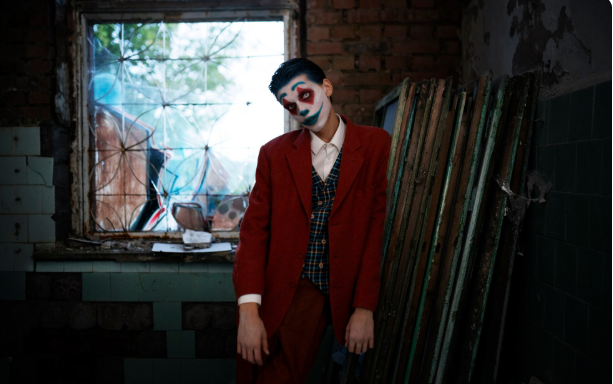
Additionally, developers in the genre-hybrid arena publicly discuss the issue of creative independence. In its conventional form, period drama operates under a number of constraints, including tonal decorum, historical accuracy, and the implicit promise to spectators that they are learning something about the past while being amused. This bond is purposefully broken by the introduction of genre elements.
Historical authenticity is no longer the guiding principle if aliens exist in the 1850s. The era setting can serve as a backdrop for the writer to construct any kind of narrative. It is genuinely debatable whether this creative freedom results in better work, but it does produce more varied work, and streaming platforms commissioning for international audiences have discovered that variety performs differently than the dependable Sunday evening audience that traditional period drama was designed to serve.
