

A seven-year-old is being requested to perform the take once more somewhere in a suburb outside of a mid-sized American city. The living room’s lighting is already installed. The carpet reflects the ring light. A parent watches the frame while holding a phone. The youngster seemed worn out. The child repeats it after the parent says it again, this time with emotion. This afternoon, the video will be posted. By dawn, it will receive several hundred thousand views. None of the money will be seen by the child.
Most individuals outside of the kidfluencer industry are unaware of how big it has become. Families that manage TikTok pages, Instagram profiles, and YouTube channels centered around their kids’ everyday activities are part of an ecosystem that generates almost eight billion dollars in digital advertising. Parent-managers negotiate arrangements between brands and young audiences, frequently from the same residence where the content is recorded, edited, and posted. The child’s paperwork is not being filed by any agents. There is no union representative on set. Hours are not being checked by a labor inspector. Everything in the house is owned by the parents, and it serves as the studio.
It should be causing greater legislative urgency than it does now because of how drastically different it is from traditional child entertainment. A child actor working on a Hollywood production operates within a framework created over decades of reform, including mandatory schooling requirements, the Coogan Law, which mandates that 15% of earnings be placed in a blocked trust account that the parent cannot access, and capped working hours enforced by state law and union agreements. These safeguards are in place because a previous generation discovered what happens when they don’t through documented instances of exploitation and financial catastrophe. That clock has been effectively restarted by social media. With nearly nothing in place to remedy it, the same weaknesses, power disparities, and potential for abuse are all present once more in a new environment.
Perhaps the most easily quantifiable issue is the financial vulnerability. If a parent turns their child’s social media presence into a multi-million dollar business, they can legally spend every penny in the majority of American states. The child is not entitled to anything. No % is protected. There is no way to get earnings back once the money is gone. In an effort to address that gap, France passed law in 2020 that protects the working hours of under-sixteen social media artists and places their earnings in a government-held account until they reach adulthood, just like it does for child models. The first state statute in the United States to grant kid influencers a legal share of gross earnings and the ability to sue noncompliant parents was passed in Illinois. These are significant actions. They continue to be the exception as well.
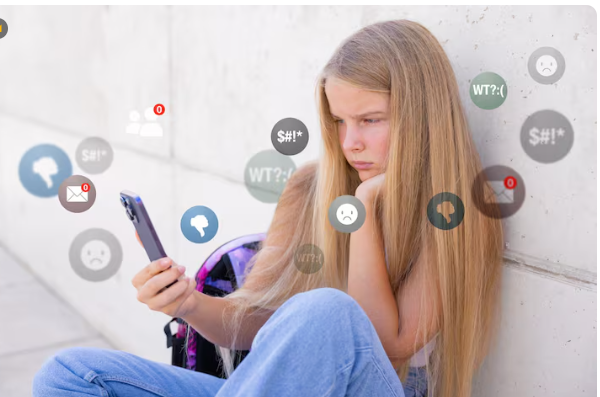
Although more difficult to measure, the psychological aspects are just as important. Elevated rates of anxiety, depression, and identity disruption—the unique challenge of trying to figure out who you are as a private person when your childhood was broadcast to strangers and is still searchable—have been found by researchers studying children who grew up with public online presences. A child’s private experiences—such as illness, emotional outbursts, and family disputes—become material and eventually end up in the public domain. This is not the child’s choice. Even when adults in their lives refer to it as a game or a family activity, they are typically too young to comprehend what they are agreeing to.
Ruby Franke’s story is worth considering, not because it is typical of all family channels, but rather because it shows how financial strain and unbridled parental control can result in a lack of supervision. Early in 2024, Franke—who had a popular family vlogging channel—was put in jail for severely abusing and starving her kids. Nothing about what was going on behind it was revealed by the content she shared during that time. Platforms are ill-equipped to identify this discrepancy between the curated version and the real home situation, and there is currently no legal requirement for them to do so.
