

Anthony Gordon’s journey to Newcastle United and the England national team began in a Liverpool garden, with a tire dangling from a goalpost and two rejection letters that would have put an end to the aspirations of most young athletes before they really started.
Keith, his father, constructed the drill. The concept was simple enough: hang a tire from a garden goalpost structure and use it as a target for shooting drills. This would force Gordon to practice the kind of accuracy and repetition that academy training environments are meant to offer but that he wasn’t receiving at a crucial juncture in his development. Liverpool’s academy had let him go. Then Everton’s released it. After examining him, two of the city’s football teams concluded he wasn’t what they needed. Keith was encouraged to persevere by his mother, Nadine.
The portion of the narrative that receives insufficient attention is that reaction to rejection. From the perspective of a £45 million transfer to Newcastle and frequent England call-ups, it’s simple to view the rejections as clear errors that just required time to fix. The logical reaction for a Liverpool family witnessing their son’s dismissal from the academies of the teams he grew up rooting for might have been to begin considering other options. Nadine and Keith did not do that. They continued his training, kept him active in local grassroots football, and maintained an atmosphere that allowed him to pursue a professional career.
Gordon is the oldest of three brothers; Brandon and Reuben are younger. There is something about that family dynamic that tends to produce a particular kind of focused eldest child, one who has grown up carrying a degree of responsibility and setting an example before they were old enough to express it. It’s unclear if that has anything to do with how he plays or responds to pressure, but it’s important to remember that the football player who came from that Liverpool background does not back down under pressure. Throughout his career, he has been given challenging questions and has replied with performances.
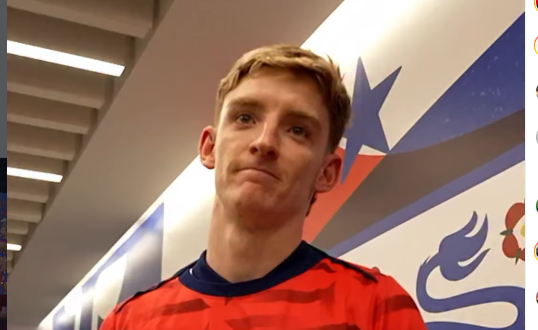
Later in his childhood development, Everton signed him, and it was via their system that he eventually made his professional football debut. Football frequently offers narrative quirks that never seem to get any less bizarre, like the irony of being rejected by Everton early, only to be nurtured by them later and then transferred for a substantial sum. The tire drill in the garden and the grassroots Sunday morning pitches seemed like a completely different world by the time Newcastle spent almost £45 million for him in January 2023, but the work habits developed throughout those years don’t go away when the transfer fee increases.
