

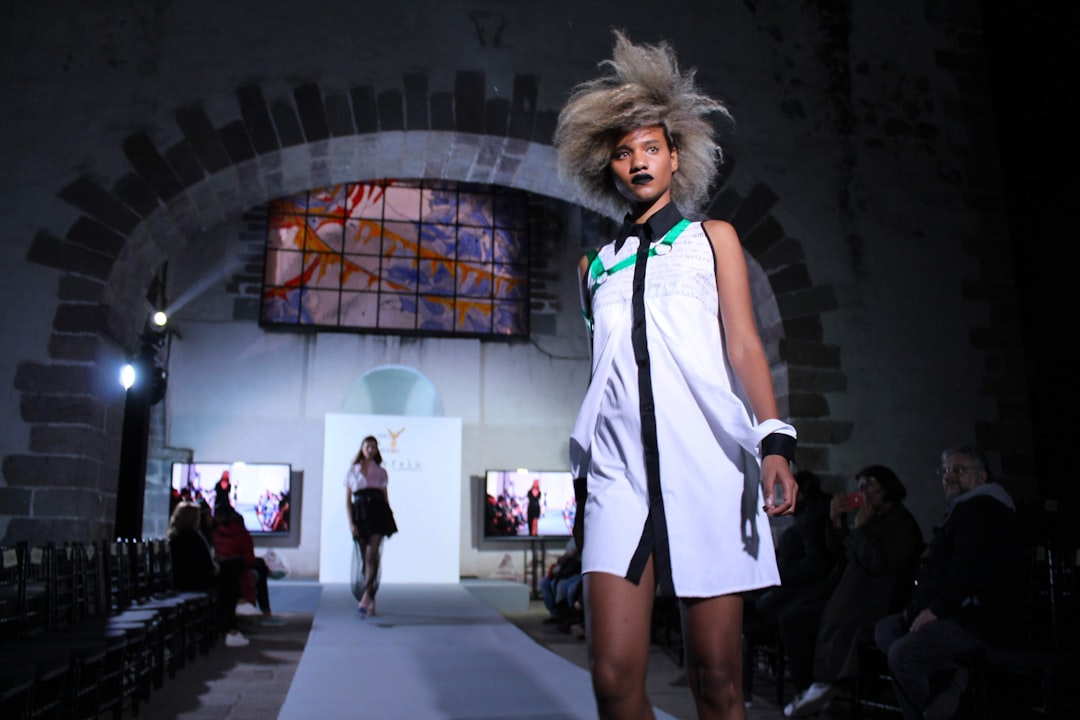
In recent years, the world of e-sports has undergone a remarkable transformation. What started as a niche community of dedicated gamers has morphed into a global phenomenon, capturing the attention of fans, brands, and even celebrities. The rise of e-sports has not only reshaped the gaming industry but has also led to unprecedented collaborations between gamers and fashion icons. This article explores this fascinating evolution and the impact it has had on both sectors.
The E-Sports Boom
E-sports, or competitive video gaming, has surged in popularity, attracting millions of viewers worldwide. According to a Statista report, the global e-sports audience is expected to reach over 646 million by 2023. Events like the League of Legends World Championship and The International Dota 2 Championships draw in crowds akin to traditional sports events, showcasing the significant cultural shift in entertainment consumption.
This boom has given rise to professional gamers who are not just players but also influencers, engaging with fans through social media platforms such as Twitch, YouTube, and Instagram. These gamers have become household names, with followings that rival those of traditional celebrities. As their visibility grows, so does their appeal to brands looking to tap into the lucrative gaming market.
Fashion Meets Gaming
With the explosive growth of e-sports, fashion brands have started to take notice. High-profile collaborations between gaming personalities and fashion labels are becoming increasingly common. Designers are leveraging the popularity of gamers to reach new audiences, resulting in collections that blend gaming aesthetics with contemporary fashion. This merging of the two worlds has led to the creation of unique, trend-setting styles that are gaining traction among fans.
Take, for instance, the collaboration between Tyler “Ninja” Blevins and Adidas. The professional gamer and streamer launched a limited-edition sneaker line that sold out within hours, proving that gamers can influence fashion trends. Similarly, companies like Puma and Nike have begun to explore partnerships with e-sports teams, further blurring the lines between gaming and high fashion.
The Role of Influencers
Influencers play a pivotal role in this evolving landscape. Gamers like Pokimane, Valkyrae, and Ninja have not only built their brands around gaming but have also ventured into fashion,
co-designing apparel and merchandise that resonates with their fan bases. Their ability to connect with audiences on a personal level is invaluable, as they can authentically promote products and engage followers in ways that traditional celebrities may not be able to.
Moreover, platforms like Instagram and TikTok enable influencers to showcase their style and engage with fans in real-time, making it easier for them to promote collaborations. This level of engagement creates a sense of community and loyalty among followers, which brands are eager to tap into. As a result, we see a rise in fashion lines that cater specifically to gamers, from athleisure wear to streetwear, all designed with the gamer lifestyle in mind.
Experience-Driven Platforms
As the intersection of gaming and fashion continues to evolve, so do the platforms that support these trends. Experience-driven platforms such as Highroller, a top-tier social slot experience are becoming popular among gamers, offering immersive environments where they can enjoy gaming experiences alongside fashion and lifestyle content. This convergence allows users to not only play but also explore fashion trends that are emerging in the gaming world.
The Future of E-Sports and Fashion
Looking ahead, the future appears bright for both e-sports and the fashion industry. The potential for further collaborations and innovations is immense, as brands continue to recognize the value of engaging with the gaming community. We can expect to see more personalized collections that reflect gamer culture, further pushing fashion boundaries.
Additionally, as virtual reality (VR) and augmented reality (AR) technologies become more integrated into gaming experiences, the potential for virtual fashion shows and digital clothing is likely to grow. Imagine attending a virtual runway show featuring exclusive designs inspired by your favorite games and gamers. This blending of technology and fashion could redefine how we perceive style and identity in a digital world.
Conclusion
In conclusion, the rise of e-sports and its collaboration with fashion is a testament to the evolving nature of entertainment and consumer culture. Gamers have stepped into the spotlight, transforming from mere players to influencers and fashion icons. As this trend continues, we can expect exciting developments that will shape both industries in remarkable ways, creating a vibrant, interconnected community that celebrates creativity, style, and passion.
