
Close Menu
  • Home
  • Banking
  • Celebrities
  • Economy
  • FinTech
  • Industry
  • Markets
Facebook X (Twitter)
Trending
  • The Disturbing Rise of ‘Grief Tech’, Chatting With the Digital Ghosts of the Deceased
  • The Man Who Memorized the Internet , A Strange Tale of Digital Hoarding and Savantism
  • Why Theaters Are Desperately Pivoting to Live Sports to Survive the Streaming Apocalypse
  • Why a 20-Year-Old Obscure SEO Patent Just Upended the Entire Digital Publishing Industry
  • London’s Financial Elite Face a Reckoning as Carried Interest Loopholes Slam Shut
  • Why A-List Directors Are Fleeing Traditional Studios for Unregulated Tech Money
  • What the Collapse of a Micro-Lender in Leeds Means for the Future of Global Credit
  • The Controversy Surrounding the Digitally De-Aged Leading Man , How Young is Too Young?
Tuesday, August 25
PurposedPurposed
Subscribe
  • Home
  • Banking
  • Celebrities
  • Economy
  • FinTech
  • Industry
  • Markets
PurposedPurposed
Home » How a Scottish Clean Energy Startup Outmaneuvered Silicon Valley’s Biggest Giants
Industry

How a Scottish Clean Energy Startup Outmaneuvered Silicon Valley’s Biggest Giants

Sam AllcockBy Sam AllcockJuly 10, 2026No Comments4 Mins Read
Facebook Twitter Pinterest LinkedIn Tumblr Email
How a Scottish Clean Energy Startup Outmaneuvered Silicon Valley's Biggest Giants
Share
Facebook Twitter LinkedIn Pinterest Email

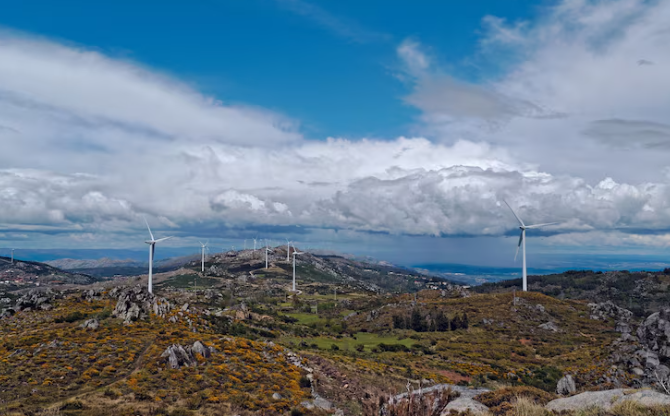
The North Atlantic Ocean presses hard against old rock along a stretch of Scotland’s coastline. Out there, in the cold, a tidal energy device is quietly spinning. Nothing for the press. No announcement of a billion-dollar value. It’s just salt water, engineering, and decades of experience doing what they’ve always done, which is working. Some parts of the tech world may not have caught on to what Scotland is quietly doing to build clean energy yet, but this picture might show something important about it.

It seemed more like flattery than truth for years when people said that Scotland was like Silicon Valley. People in politics spoke. Reports were asked for. After that, things mostly moved slowly. But now, when you walk through Glasgow’s new innovation corridors or talk to founders who just got back from California, you can tell that something has really changed. Scotland has about a quarter of Europe’s offshore wind and tidal resources. That’s not just a marketing claim; it’s a fact of the land that no amount of venture capital in San Francisco can change.

It’s interesting to see how that advantage is beginning to grow. The space and clean energy industries in Glasgow didn’t grow out of a government plan. They grew in the way that ecosystems do when conditions are right: one company helped another grow, one engineer became a founder, and one investment created four jobs that led to the creation of forty more. Set up in 2005, Clyde Space is a company that makes satellites. It helped make Glasgow a center for aerospace manufacturing almost by accident. Green technology is moving in the same direction. It is using Scotland’s long history of marine engineering to make offshore wind, wave energy, and tidal power.
How a Scottish Clean Energy Startup Outmaneuvered Silicon Valley's Biggest Giants
How a Scottish Clean Energy Startup Outmaneuvered Silicon Valley’s Biggest Giants

There is a real difference between this place and Silicon Valley, but it’s not as simple as the headlines make it seem. A group of Scottish founders recently went to California as part of the TechScaler program. When they returned, they had something they didn’t expect: clarity, not envy. They had seen investors talk about two-million-dollar rounds in a casual way over coffee. It had only been three months since they met the founders of a business that were already looking for $500,000 in funding. It opened my eyes. But some of them also saw something that the Valley doesn’t always talk about: the speed that makes it fun is also what makes it dangerous. Firms grow before they’re ready. The laws get harder to understand. When you have to meet someone else’s deadline, it can slowly kill a good idea.

Startups in Scotland are getting better at moving quickly. That much is clear. But the smarter ones are doing it without giving up the thing that might give them an edge: they tend to build carefully and learn a lot about the technology before making a big deal out of it. Careful engineering isn’t weakness, especially in marine energy, where devices have to work in some of the worst conditions on Earth. That’s the whole point.

In the meantime, Aberdeen is doing something interesting. Oil and gas were the city’s main source of income, and now it’s using the same technical talent—subsea engineers, offshore logistics specialists, and materials scientists—to help the switch to clean energy. American tech hubs won’t be able to easily copy this pivot because it depends on a unique kind of human knowledge that has been passed down through generations. That doesn’t have an app for it.

There is still a funding gap, and no one is acting like it doesn’t exist. When Scottish founders try to raise money, the terms are still less flexible than in California, and the number of venture capitalists in this area is still much lower than in the Bay Area. Density isn’t always fate, though. Scotland seems to be building a different kind of advantage. This one is based on its physical resources, institutional knowledge, and a new generation of founders who have seen Silicon Valley and want to make something better at home.

It’s still early. People who study ecosystems know that you can only see tipping points after the fact. But out in the Pentland Firth, where the world’s largest commercial marine energy site quietly makes power in water that would sink most ships, Scotland seems to be doing something that it has done before: solving a hard problem without making a lot of noise about it.

Clean Energy Scottish
Share. Facebook Twitter Pinterest LinkedIn Tumblr Email
Sam Allcock
  • Website

Sam Allcock is a journalist, digital entrepreneur, and media strategist with a passion for purpose-driven storytelling. With over a decade of experience in the media landscape, Sam has built a reputation for creating impactful narratives that bridge the gap between innovation, integrity, and social responsibility. As the founder of multiple digital ventures, Sam understands the power of strategic communication in shaping public discourse. His work explores how technology, entrepreneurship, and ethical leadership intersect to create meaningful change. On Purposed.org.uk, Sam contributes thought-provoking articles that challenge conventional thinking and advocate for a more conscious approach to business and media. Beyond his writing, Sam actively supports initiatives that promote transparency, trust, and long-term value in both corporate and community settings. His insights are grounded in a belief that purpose is not just a trend, but a transformative force in today's world.

Related Posts

The Man Who Memorized the Internet , A Strange Tale of Digital Hoarding and Savantism

August 10, 2026

Why A-List Directors Are Fleeing Traditional Studios for Unregulated Tech Money

August 10, 2026

The Controversy Surrounding the Digitally De-Aged Leading Man , How Young is Too Young?

August 10, 2026
Leave A Reply Cancel Reply

Latest Posts

The Disturbing Rise of ‘Grief Tech’, Chatting With the Digital Ghosts of the Deceased

August 10, 2026

The Man Who Memorized the Internet , A Strange Tale of Digital Hoarding and Savantism

August 10, 2026

Why Theaters Are Desperately Pivoting to Live Sports to Survive the Streaming Apocalypse

August 10, 2026

Why a 20-Year-Old Obscure SEO Patent Just Upended the Entire Digital Publishing Industry

August 10, 2026
Don't Miss
FinTech

The Disturbing Rise of ‘Grief Tech’, Chatting With the Digital Ghosts of the Deceased

By Sam AllcockAugust 10, 2026

A South Korean mom watched her five-year-old daughter materialize in front of her while using…

The Man Who Memorized the Internet , A Strange Tale of Digital Hoarding and Savantism

August 10, 2026

Why Theaters Are Desperately Pivoting to Live Sports to Survive the Streaming Apocalypse

August 10, 2026

Why a 20-Year-Old Obscure SEO Patent Just Upended the Entire Digital Publishing Industry

August 10, 2026
About
About

Stay informed with Purposed – your source for reliable news and expert insights. Explore our site for the latest stories and updates.

Email: editor@purposed.org.uk
Email: advertise@purposed.org.uk

Our Picks

Disha Patani Boyfriend Revealed? Singer Talwiinder’s Cryptic Comments Have Everyone Talking

July 15, 2026

Why Neuroscientists Are Warning About the Permanent Effects of Infinite Scrolling

July 10, 2026

Why the Best Movies of the Year Are All Premiering at a Quiet Festival in Telluride

August 6, 2026
Most Popular

The Disturbing Rise of ‘Grief Tech’, Chatting With the Digital Ghosts of the Deceased

August 10, 2026

The Man Who Memorized the Internet , A Strange Tale of Digital Hoarding and Savantism

August 10, 2026

Why Theaters Are Desperately Pivoting to Live Sports to Survive the Streaming Apocalypse

August 10, 2026
© 2026 purposed.org.uk
  • About Us
  • Contact Us
  • Meet the Purposed Tean
  • Privacy Policy
  • Terms and Conditions

Type above and press Enter to search. Press Esc to cancel.