

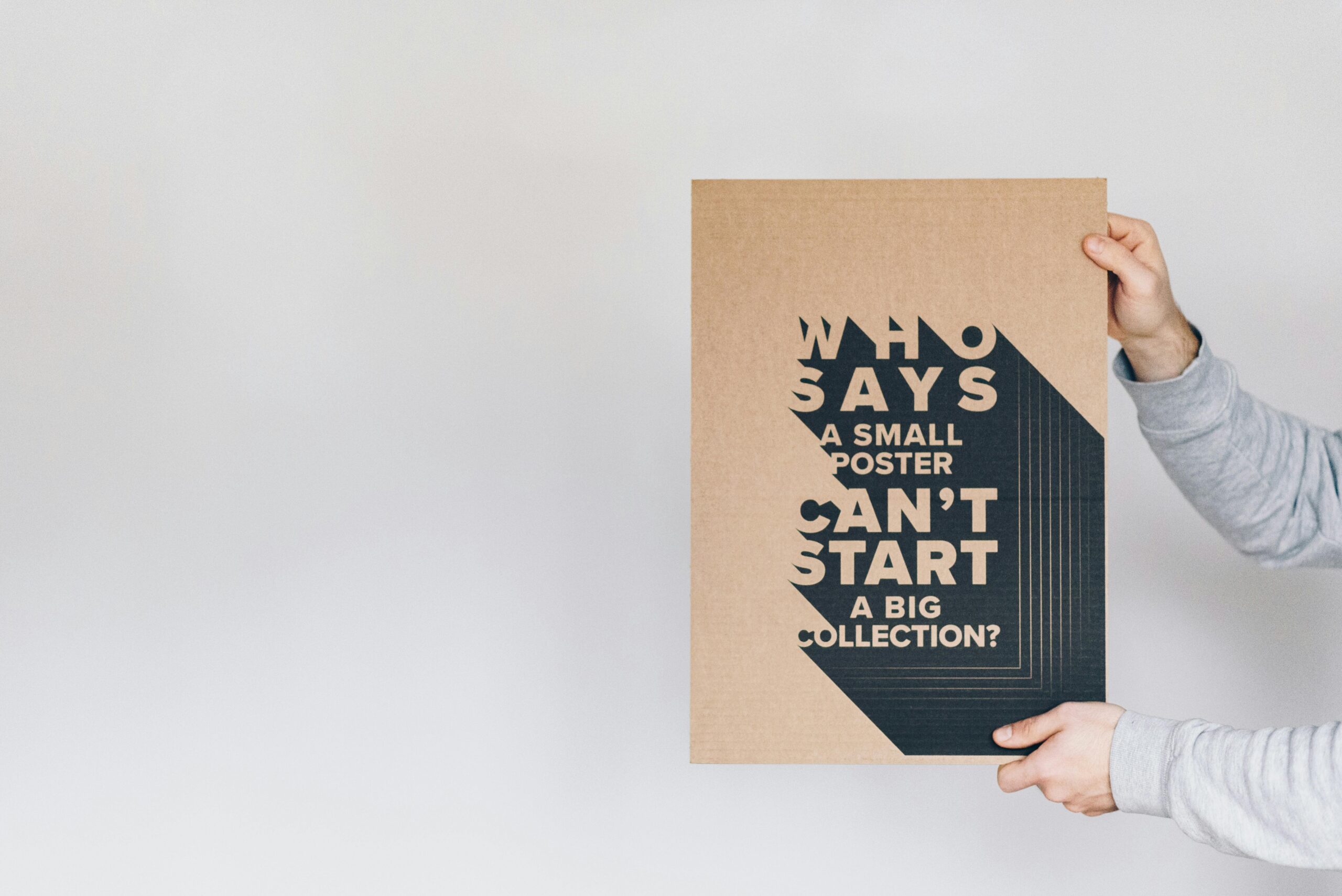
When was the last time you stopped and looked at a poster—not just glanced, but really looked? Whether it’s a concert flyer, a community announcement, or a digital display in a shopping mall, poster design plays a crucial role in grabbing attention and delivering a message quickly. But here’s the thing: good design isn’t just about aesthetics. It’s about understanding your audience. That’s where user research comes in.
If you’re working on a printable poster, diving into user research could be your secret weapon. Why? Because by understanding who your users are, what they want, and how they think, you can design more engaging, accessible, and effective posters—whether they’re displayed digitally or printed and hung on a wall.
What Is User Research in Design?
User research is the process of learning about your target audience through observation, interviews, surveys, and testing. In UX design, it’s used to inform digital experiences—but these same principles can (and should!) be applied to poster design.
You might be wondering, “Isn’t a poster just visual communication?” Absolutely. But like websites and apps, posters are experienced by real people, each with unique behaviors, needs, and preferences. If you want your poster to work—to really connect—it must resonate with your target viewers.
Why Posters Need UX Thinking Too
At first glance, posters and UX might seem worlds apart. UX focuses on interactive digital experiences, while posters are traditionally static. But they share one core principle: user-centric design. Let’s break that down.
Posters need to:
- Communicate a message clearly
- Capture attention in a short time
- Lead the eye through a visual journey
- Evoke a desired action (e.g., attend an event, visit a website)
These goals align perfectly with UX design thinking. You wouldn’t design an app without user feedback—so why skip that step with posters?
Key User Research Methods for Poster Design
So how do you actually do user research for poster design? Here are a few simple but powerful methods:
1. Surveys and Interviews
Ask your intended audience what they notice in a poster. What type of visuals appeal to them? Do they prefer bright colors, minimal designs, or illustrations? These insights can guide layout, font size, color palettes, and even where to place the call-to-action.
2. Observation and Field Studies
Take a walk around the places your posters will appear. What catches your eye? Which posters seem ignored? Understanding the visual context can help you design posters that stand out in real-world environments.
3. A/B Testing
Create two versions of your poster and test them with a sample audience. Which version do people find clearer? Which one encourages action? You’ll often discover surprising preferences that lead to better design decisions.
4. Eye Tracking and Heat Maps
For digital posters, eye-tracking tools or even heat map plugins (used in UX research) can show where people look first. This helps you prioritize key elements like headlines, images, or event details.
Actionable Design Changes Based on Research
Here’s how user research can directly influence your poster design:
- Typography Choices: If your research shows users struggle with small text, bump up the font size. Or choose a sans-serif typeface for better readability at a glance.
- Color Schemes: Users may prefer high-contrast designs or colors associated with trust, urgency, or excitement—depending on your message.
- Visual Hierarchy: Knowing what users want to see first can help you organize content so that key info (like dates or QR codes) is instantly visible.
- Cultural Sensitivity: Understanding cultural nuances ensures you avoid visuals or phrases that could alienate or confuse your audience.
Real-World Example: Posters That Work
Let’s say you’re designing a poster for a university event. You conduct a quick survey and find that students prefer digital posters shared on Instagram. They skim rather than read in-depth, and prefer bold headlines and a clear call-to-action.
Based on this, your poster design might include:
- A bold event title in large font
- A short tagline for context
- Icons or graphics for quick comprehension
- A clear CTA like “RSVP Now” with a scannable QR code
The result? A poster that speaks to your audience in their language and format.
Don’t Forget Accessibility
Accessibility is a big part of user-centered design. Use research to ensure that your posters are readable by people with visual impairments (e.g., high contrast, large fonts), and if digital, compatible with screen readers.
If your poster includes motion or animation (common in digital formats), test with users who may be sensitive to visual stimuli. Accessibility is not only ethical—it makes your message available to a broader audience.
UX + Posters = Smarter Design
At the end of the day, poster design is no longer just a creative exercise—it’s strategic. By incorporating user research, you’re doing more than making something that looks good. You’re crafting a communication tool that’s smarter, more effective, and better aligned with real human needs.
